How to Spot a Reliable Used Skid Steer Dealer
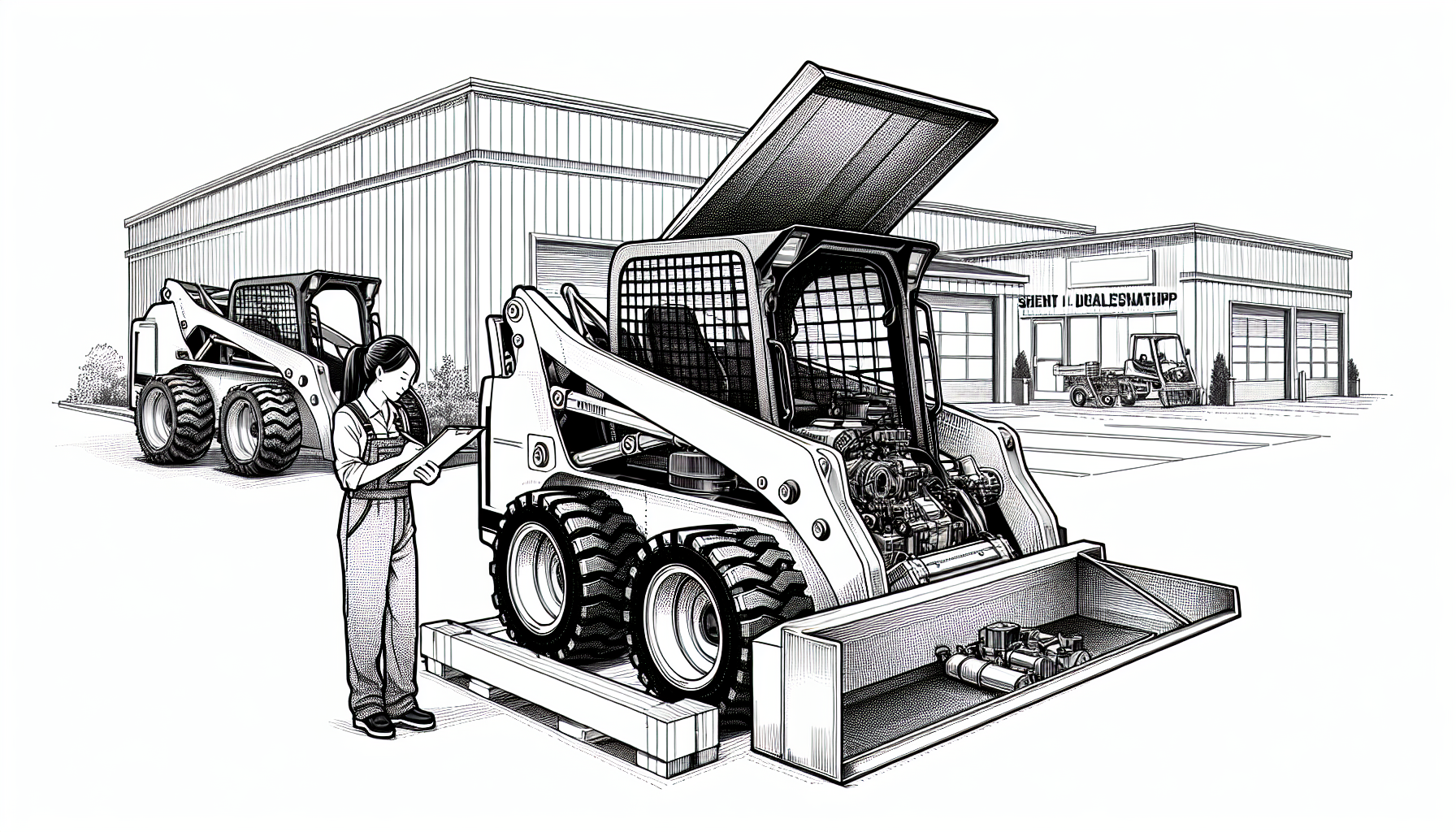
Buying a used skid steer is a significant investment, usually somewhere between $15,000 and $50,000. The machine you pick matters, but the used skid steer dealer you buy it from matters just as much. A solid dealer gives you transparency on machine history, stands behind what they sell, and actually wants your repeat business. A bad one unloads problems and disappears. This guide walks you through six practical steps to separate the good dealers from the ones who will cost you money down the road.
Step 1: Check Dealer Reputation and Reviews
Before you even look at a machine, look at the dealer. Start with a simple Google search of the dealership name plus "reviews." Pay attention to patterns, not individual complaints. Every business gets one or two unhappy customers. What matters is how they respond. A dealer who addresses problems publicly and makes things right is showing you how they will treat you after the sale.
Check their Better Business Bureau profile for any formal complaints or unresolved disputes. A BBB accreditation is a good sign, but even without it, the complaint history tells you a lot. Look at industry forums like Heavy Equipment Forums and TractorByNet where operators share real experiences with specific dealers. These forums are harder to fake than Google reviews, and the people posting actually know what they are talking about.
Ask around locally too. If you work in construction, landscaping, or farming, other operators in your area have bought used equipment and they have opinions. A dealer with a strong local reputation has earned it over years, not with a marketing budget.
What to look for:
- Consistent positive feedback across multiple platforms
- Professional responses to negative reviews
- Years in business (longevity signals reliability)
- Referrals from other operators in your trade
Step 2: Verify Inventory Transparency
A reliable used skid steer dealer lists machines with real details, not vague descriptions designed to get you on the phone. You should be able to find the year, make, model, hours, and serial number on any machine before you call or visit. Dealers who hide hours or skip the serial number are often hiding something else.
Look at their website or listing pages. Are there multiple clear photos showing the machine from different angles? Can you see the hour meter, the undercarriage, the hydraulic connections, and the cab interior? A dealer who photographs everything is telling you they have nothing to hide. A dealer who posts one grainy exterior shot is telling you something different.
Ask for the machine's maintenance records and hour meter verification. On skid steers, hour meters can be replaced or tampered with. A trustworthy dealer will provide documentation or at least be upfront if records are incomplete. They should also be willing to let you bring your own mechanic for an independent inspection. If a dealer pushes back on that, walk away.
Red flags on inventory:
- No serial numbers listed
- Stock photos instead of actual machine photos
- Refusal to share maintenance history
- "Call for price" on every listing
Step 3: Ask About Warranties and Guarantees
Used equipment does not come with the same warranty coverage as new, but a good dealer still offers some form of protection. Many reputable dealers provide a 30 to 90 day powertrain warranty on used skid steers, covering the engine, hydraulic pump, and drivetrain. Some offer extended warranty plans that can stretch to 12 months or more, especially on newer, lower-hour machines.
Ask specifically what the warranty covers and what voids it. Get it in writing. A verbal "we will take care of you" means nothing when a hydraulic pump fails three weeks after delivery. You want a document that spells out the coverage period, the components covered, any hour limitations, and the process for filing a claim.
Dealers who have their own service shop tend to offer better warranty terms because they can handle repairs in-house at lower cost. Ask if the warranty requires you to bring the machine back to their shop or if you can use a local mechanic. For buyers outside the dealer's immediate area, this detail makes a big difference.
Questions to ask:
- What exactly does the warranty cover?
- What is the coverage period and hour limit?
- Do I need to use your shop for warranty repairs?
- Is there an option for extended coverage?
Step 4: Inspect Their Service Department
Any dealer can sell you a machine. The ones worth buying from can also fix it. A used skid steer dealer with a real service department has invested in their business beyond just flipping iron. Walk through their shop if you can. Look for certified technicians, organized bays, a parts inventory, and diagnostic equipment.
A service department signals two things. First, the dealer has likely inspected and serviced the machines on their lot before listing them. Second, you have a place to go when something needs repair down the road. Dealers who are members of the Associated Equipment Distributors (AED) often maintain higher service standards, as the organization promotes technician certification and professional dealership practices.
Ask whether they perform a multi-point inspection on every used machine before it goes on the lot. Find out what that inspection covers. A solid pre-sale inspection should include checking the engine, hydraulics, electrical systems, tires or tracks, the cab and controls, and all safety features. Dealers who do this work upfront are less likely to sell you a machine that breaks down in the first month.
Service department checkpoints:
- Certified or experienced technicians on staff
- On-site parts inventory for common repairs
- Pre-sale multi-point inspection process
- Ability to handle warranty and post-sale repairs
Step 5: Compare Financing Options
How a dealer handles financing tells you a lot about their operation. Established dealers typically offer multiple financing paths: manufacturer financing through brands like John Deere Financial or CNH Capital, third-party lenders, and sometimes in-house financing. Having options means you can shop for the best rate and terms instead of being locked into whatever the dealer pushes.
Ask about interest rates, down payment requirements, and loan terms. For used skid steers under 10 years old from a reputable dealer, financing approval is usually straightforward. Machines older than that may require larger down payments or higher rates. Some dealers offer seasonal payment structures that align with the cash flow cycles of construction and landscaping businesses, which can be a real advantage if your income is seasonal.
Watch out for dealers who pressure you into their financing without letting you compare. A good dealer is fine with you bringing your own financing from a bank or credit union. If they insist on handling the financing themselves and get defensive when you ask about outside options, they may be making more money on the loan than on the machine.
Financing comparison checklist:
- Multiple financing options available
- Willingness to work with outside lenders
- Clear disclosure of rates and total cost
- Flexible payment structures for seasonal businesses
Step 6: Red Flags That Signal Bad Dealers
Knowing what good looks like is half the battle. The other half is recognizing the warning signs that tell you to take your money elsewhere. Some red flags are obvious. Others are subtle enough that eager buyers miss them until it is too late.
High-pressure sales tactics are the biggest warning sign. If a dealer tells you another buyer is coming to look at the machine tomorrow, or that the price goes up next week, they are manufacturing urgency to prevent you from doing your homework. Legitimate deals do not require you to make a $30,000 decision in 20 minutes.
"As-is" sales with zero warranty on machines priced at full retail are another problem. There is a difference between a cheap auction machine sold as-is at a bargain price and a dealer lot machine at full price with no protection. The first is a calculated risk. The second is a dealer who does not trust what they are selling.
Other red flags include dealers who avoid putting anything in writing, those who will not let you bring a mechanic for an independent inspection, businesses with no physical address or shop, and anyone who gets evasive when you ask about a machine's history. Trust your gut. If something feels off, there are plenty of other dealers who will earn your business honestly.
Major red flags to avoid:
- High-pressure closing tactics
- Full-price machines sold strictly as-is
- No physical location or service department
- Refusal to allow independent inspections
- Evasive answers about machine history or hours
Conclusion
Finding a reliable used skid steer dealer comes down to doing your homework before you get emotionally attached to a machine. Check reviews and reputation first. Verify that they are transparent about their inventory. Ask about warranties and get everything in writing. Inspect their service department. Compare financing on your terms. And trust the red flags when you see them. A good dealer wants your business for the long haul, not just one transaction. Take your time, ask the hard questions, and you will find a dealer who treats you like a professional, not a mark.