Used Cat Skid Steer: Is the Caterpillar Premium Worth It?
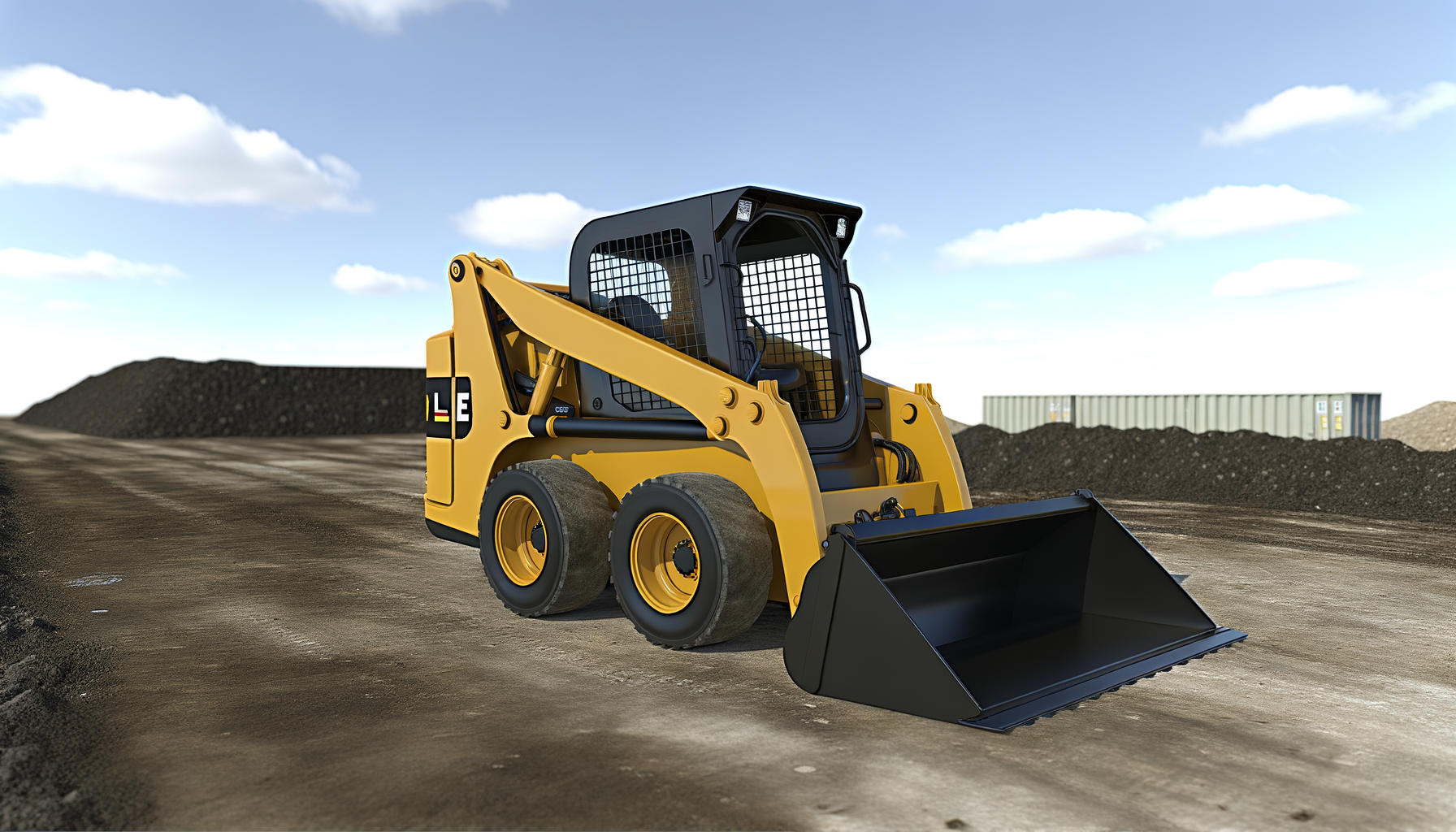
If you've been shopping for a used cat skid steer, you already know the sticker shock. A comparable Bobcat or Deere sits $3,000 to $8,000 cheaper on most lots. Cat commands a premium on the used market just like it does new, and that gap makes plenty of buyers wonder whether they're paying for the machine or paying for the paint. The short answer: you're paying for both, and there are real reasons the yellow iron costs more. But whether that premium actually pencils out depends on how you work, how long you keep your machines, and how much downtime costs your operation.
This guide breaks down exactly what drives the Caterpillar price gap on used skid steers and helps you decide if it makes sense for your wallet.
What Is the Cat Premium (and Why Does It Exist)?
The Price Gap Is Real
Walk any used equipment lot and you'll spot it immediately. A 2019 Cat 262D3 with 2,200 hours lists for $38,000 to $44,000. A comparable Bobcat S650 or Deere 320G from the same year with similar hours? You're looking at $32,000 to $37,000. That's not a fluke. Caterpillar skid steers consistently trade at 10-20% above equivalent machines from other major manufacturers.
The premium exists because Cat has built a reputation around heavy-duty construction equipment for over a century. That brand equity carries real weight at resale time. Buyers trust the name, and that trust keeps demand high even on 10-year-old machines.
But brand recognition alone doesn't justify the gap. What backs it up is how these machines are built and what happens after you buy one.
How Does It Work: Cat Build Quality and the Dealer Network
Engineering Differences That Matter
Cat skid steers run heavier frames and thicker steel in the boom arms and loader linkage compared to most competitors. The hydraulic systems use larger pumps and higher operating pressures, which translates to faster cycle times and better performance under heavy loads. The D3 series machines introduced sealed and pressurized cabs that genuinely keep dust out, not just reduce it.
The powertrain is where Cat really separates itself. These machines use Cat-designed engines (not sourced from a third-party manufacturer), which means the engine, hydraulics, and electronics were engineered as a single system. That integration reduces the kind of communication glitches between components that plague machines cobbled together from multiple suppliers.
The Dealer Network Advantage
Caterpillar operates through roughly 220 independent dealers worldwide, with over 500 locations across the globe. For a used buyer, this matters more than you might think. When your hydraulic pump fails on a Tuesday morning and you have a grading job due Friday, parts availability is everything.
Most Cat dealers stock common wear parts and components for current and recent model skid steers. According to industry comparisons, Cat's parts availability ranks among the best in the business, and many dealers can get non-stock parts shipped overnight. Compare that to smaller brands like Gehl or Mustang, where a specific hydraulic valve might take a week to arrive.
The dealer network also means consistent service quality. Cat technicians are factory-trained on Cat-specific systems. When you bring a used Cat skid steer to any authorized dealer, the diagnostic tools and repair procedures are standardized.
Why Does It Matter: Resale Value and Parts Availability
Resale That Protects Your Investment
Here's where the premium starts to justify itself. Caterpillar and Bobcat consistently lead the industry in skid steer resale value. Well-maintained machines from both brands retain 60-70% of their original value after three to five years. Some hold even higher, around 75-80% at the three-year mark with low hours.
New Holland and Case machines, by comparison, typically trade at 5-10% less on the resale market. That difference might not sound dramatic, but on a $45,000 machine, you're talking about $2,500 to $4,500 more in your pocket when you sell.
So yes, you pay more upfront for a used Cat. But you also recover more of that investment when you move on. If you run machines for three to five years and trade up, the actual cost of ownership often comes out close to what you'd spend on a cheaper brand that depreciates faster.
Parts Don't Become Unicorns
One of the hidden risks with used equipment is buying a machine whose parts become hard to find as it ages. Cat has been making skid steers since the mid-1990s, and parts support for older models remains strong. The 246C, 262C, and 272D models from a decade ago still have robust parts availability through the dealer network.
This matters because a used skid steer with cheap parts that are impossible to find is more expensive than a pricier machine with overnight parts delivery.
Common Misconceptions About Used Cat Skid Steers
"Cat Is Overpriced for What You Get"
This is the most common complaint, and it's partly true at the entry level. If you're buying a small-frame Cat like the 226D for light landscaping work, you might not need the heavier build quality. A Bobcat S70 or Deere 316G does the same work for less money. The Cat premium pays off most clearly on mid-frame and large-frame machines (262D3, 272D3, 289D3) where the extra structural weight and hydraulic capacity translate to real productivity gains.
"Any Skid Steer Is the Same Under the Paint"
Not remotely true. Cab ergonomics, hydraulic flow rates, lift geometry (radial vs. vertical), and electronic control systems vary significantly between manufacturers. Cat's joystick controls and high-flow hydraulics are consistently rated among the best in operator comfort surveys. If you're running a machine eight hours a day, those differences matter.
"Buying Used Cat Is Just Paying for Someone Else's Problems"
Used equipment always carries risk, regardless of brand. The difference with Cat is the diagnostic paper trail. Most Cat dealers maintain service records through their dealer management systems. When you buy a used Cat that was dealer-serviced, you often get a more complete maintenance history than you would with other brands.
Getting Started: How to Evaluate a Used Cat Skid Steer
Check the Hours and Match Them to the Price
For Cat skid steers, 2,000 to 3,500 hours is the sweet spot for value. Below 2,000 hours, you're still paying near-new prices. Above 4,000 hours, major component replacements start looming, particularly the hydraulic pump, drive motors, and undercarriage on track models.
Inspect the Hydraulic System First
Hydraulic leaks are the most common issue on used Cat skid steers. Check every hose, fitting, and cylinder for seepage. Operate all functions, including auxiliary hydraulics, and listen for whining or cavitation in the pump. A slow or unresponsive boom typically means the pump is on its way out, and that's a $3,000 to $5,000 repair.
Pull the Service Records
Ask the seller for Cat dealer service records. If the machine was fleet-owned and dealer-maintained, those records exist. If the seller can't produce any maintenance documentation, discount your offer accordingly. For a deeper checklist on evaluating used machines, our guide on red flags when buying a used skid steer covers what to watch for in detail.
Run It Cold
Always start a used skid steer cold. Warm engines hide starting problems, weak batteries, and glow plug failures. Drive it in both directions, operate the loader through full cycles, and check for any hesitation or drift in the controls.
Get a Dealer Inspection
For any used Cat skid steer over $25,000, spend the $300 to $500 on a dealer pre-purchase inspection. They'll pull diagnostic codes, check component hours, and assess wear on critical systems. That small investment can save you from a $10,000 surprise.
The Bottom Line
A used cat skid steer costs more than the competition. That's not going to change. But the premium buys you stronger resale value, better parts availability, a proven dealer network, and build quality that holds up under heavy use. If you're running mid-frame or large-frame machines on demanding jobsites and you plan to keep the equipment for several years, the Cat premium usually pays for itself. If you're doing light-duty work or you flip machines every 18 months, a Bobcat or Deere might stretch your dollar further.
Know what you need the machine to do, inspect it thoroughly, and run the numbers on total cost of ownership, not just the sticker price. That's how you figure out whether the yellow paint is worth it.