Used Kubota Skid Steer: Models, Pricing, and Resale Value
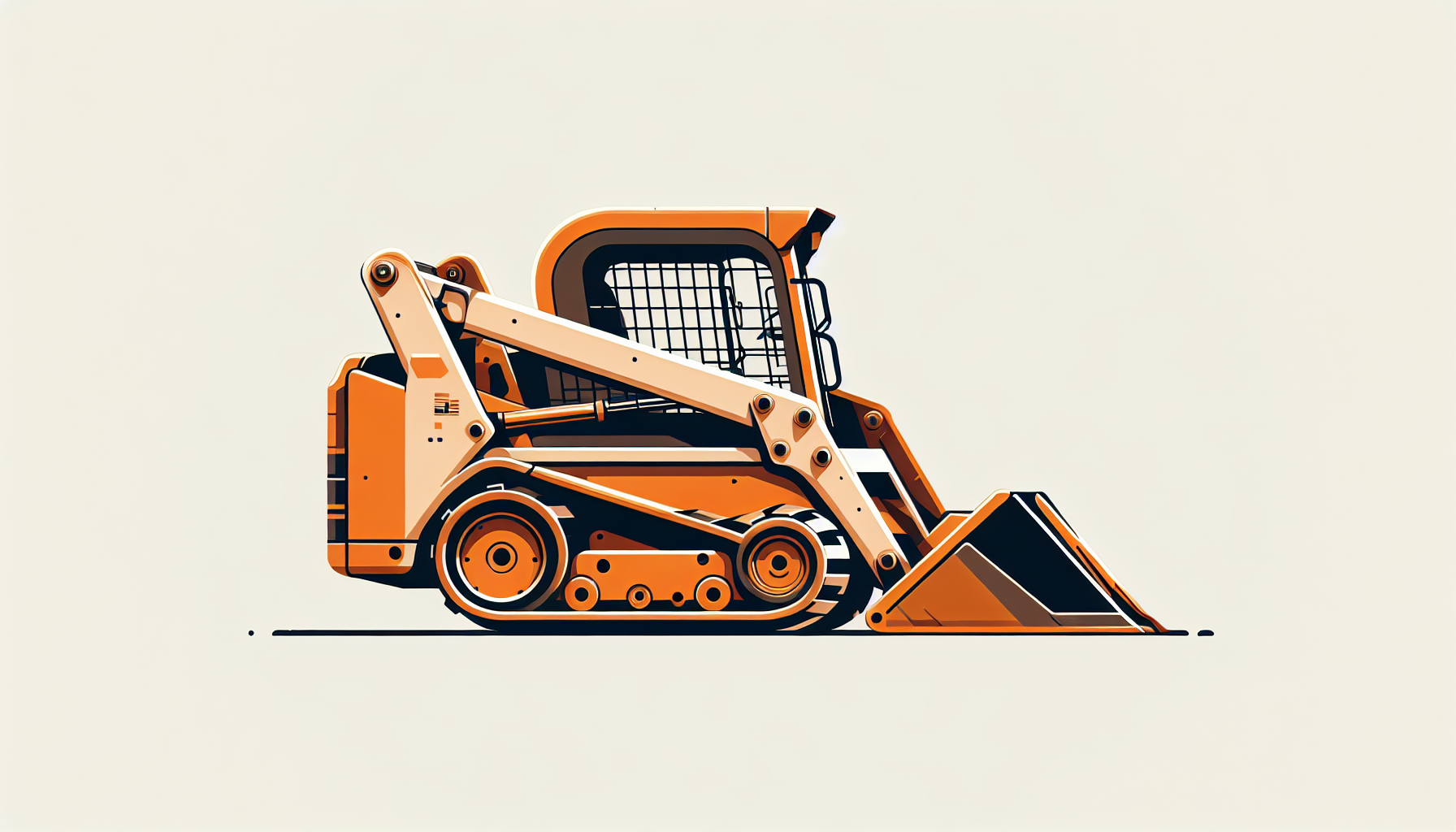
Used Kubota Skid Steer: Models, Pricing, and Resale Value
If you're shopping for a used Kubota skid steer, you're looking at one of the strongest resale brands in compact equipment. Kubota machines hold their value better than most competitors, and for good reason — reliable engines, solid build quality, and a dealer network that actually stocks parts. But pricing swings wildly depending on model, hours, and whether you're buying a wheeled SSV or a tracked SVL. This guide breaks down the models worth buying, what you should pay based on hours, how Kubota stacks up against Bobcat on resale, and where to find the best deals.
Why Kubota Holds Its Value
Engineered Reliability That Buyers Trust
Kubota builds its own diesel engines, and that matters more than most buyers realize. Every SSV and SVL skid steer runs a Kubota-designed powerplant — no outsourced components from a third-party engine manufacturer. That vertical integration means tighter tolerances, fewer compatibility issues, and a parts pipeline that doesn't depend on another company's supply chain.
The real-world result is that used Kubota skid steers command a premium on the secondary market. A used SSV75 with 2,000 hours typically sells in the $35,000-$42,000 range, while a comparable Bobcat S650 with similar hours moves for $20,000-$30,000. That's not just brand loyalty — it reflects lower long-term maintenance costs and fewer catastrophic failures that scare off secondhand buyers.
Kubota's DPF (diesel particulate filter) design also gives them an edge. Their regeneration system runs cleaner and faster than most competitors, which means less downtime waiting for regens and lower fuel burn during daily operation. When a buyer sees a used Kubota with proper service records, they know the emissions system hasn't been a headache — and that confidence drives resale prices up.
Dealer density plays a role too. Kubota's U.S. dealer network covers virtually every market, so finding parts and service isn't a gamble. That accessibility makes used Kubotas easier to sell when it's time to upgrade.
Best Used Models: SSV65, SSV75, SVL75, and SVL95
Kubota's current skid steer lineup splits into two families: the wheeled SSV series and the tracked SVL series. Each has a sweet spot for used buyers.
SSV65 — The entry point. At 64 HP with a 1,950 lb rated operating capacity, the SSV65 handles most landscaping and light construction work without breaking a sweat. Used units with under 2,000 hours run $25,000-$35,000. It's the right machine if you're running a mower, pallet forks, or a light auger. Operating weight sits at 6,790 lbs, making it easy to trailer.
SSV75 — The do-everything skid steer. The 74 HP engine and 2,690 lb rated capacity opens up heavier attachments like brush cutters, stump grinders, and larger buckets. Breakout force hits 5,884 lbs. Used pricing ranges from $30,000-$45,000 depending on hours and generation. The SSV75 is Kubota's bestseller for a reason — it's the most versatile machine in the lineup.
SVL75 — Same power class as the SSV75 but on tracks. The SVL75 is the go-to for operators working soft ground, slopes, or muddy jobsites. Used SVL75-2 models sell for $40,000-$55,000, while the newer SVL75-3 generation pushes $55,000-$65,000 with low hours. New MSRP starts around $71,735, so a 2-3 year old unit with reasonable hours represents serious savings.
SVL95 — Kubota's flagship track loader. With approximately 96 HP and the highest lifting capacity in the lineup, the SVL95-2S handles demolition, heavy grading, and forestry work. Used units range from $45,000-$65,000 depending on configuration and hours. If you're running high-flow attachments or need maximum breakout force, this is the machine.
Pricing by Hours: What You Should Actually Pay
Hours are the single biggest factor in used skid steer pricing, but the relationship isn't linear. Here's what the market looks like across Kubota's lineup:
Under 500 hours — Essentially a broken-in new machine. Expect to pay 75-85% of new MSRP. These units often come from rental fleets being turned over early or contractors who bought for a specific project. At this range, you're getting nearly new performance with significant savings over dealer pricing.
500-1,500 hours — The sweet spot for value. Pricing drops to 55-70% of MSRP, but mechanical condition is usually excellent if service was maintained. Most skid steers don't need major work until 2,000+ hours. This is where smart buyers shop.
1,500-3,000 hours — Good working machines at 40-55% of MSRP. Budget for potential undercarriage wear on tracked models (SVL series). Check hydraulic pump condition carefully — this is where deferred maintenance starts showing up.
3,000+ hours — Budget machines at 25-40% of MSRP. These are still usable, but factor in $3,000-$8,000 for upcoming repairs. Tracks, drive motors, and hydraulic hoses are the common failure points. Worth it if you're handy with a wrench or have a good mechanic.
For context: a new SSV75 lists around $55,000-$59,000 MSRP. A 2022 model with 1,200 hours should price between $33,000-$41,000. If someone's asking more than that, walk.
Kubota vs Bobcat: The Resale Reality
Bobcat dominates market share. Kubota dominates resale value. Those are two different things, and understanding why matters when you're buying used.
Bobcat's larger production volumes mean more used units flooding the market. Basic supply and demand — more machines available pushes prices down. A used Bobcat S650 (comparable to the SSV75) with 2,000 hours typically sells for $20,000-$30,000, while a used SSV75 at the same hours sits at $35,000-$42,000.
That price gap isn't a knock on Bobcat quality. Bobcats are excellent machines with the largest dealer network in North America. The difference comes down to volume: Bobcat sells roughly 3x more skid steers than Kubota, so the used market is saturated with options.
For buyers, this creates an interesting decision. A used Bobcat gives you more machine per dollar upfront. A used Kubota costs more but loses less value if you plan to sell in 3-5 years. If you're buying a machine to run until it dies, Bobcat's lower used pricing is hard to argue with. If you upgrade equipment every few years, Kubota's resale premium pays for itself.
One more factor: Kubota's financing options tend to beat competitors by about $3,500 on equivalent models, which partly explains why fewer Kubota owners sell at fire-sale prices. They're not underwater on loans, so they can hold out for fair market value.
Where to Find Used Kubota Skid Steers
The best deals don't always come from the most obvious places. Here's where experienced buyers actually shop:
Kubota Dealerships — Certified pre-owned units with inspection reports and sometimes limited warranties. You'll pay a premium (10-15% above private party), but the peace of mind is real. Dealers also offer financing on used units, which private sellers can't match. Use Kubota's dealer locator to find inventory near you.
TractorHouse and Auction Platforms — The largest online marketplaces for used equipment. TractorHouse alone lists over 2,700 Kubota skid steers at any given time. Pricing is competitive, but shipping costs can eat into savings on out-of-state purchases. Always factor in $500-$2,000 for transport.
Local Contractor Networks — The deals that never hit the internet. Talk to other contractors, check with your equipment mechanic, and watch local classified groups. Operators selling direct skip the dealer markup and auction fees, which means lower prices for both parties. A quick post in a local contractors' Facebook group often surfaces machines before they're listed anywhere else.
Rental Fleet Liquidations — Rental companies turn over inventory on a schedule regardless of market conditions. These machines have higher hours but meticulous service records. Companies like Sunbelt and local rental outfits post fleet sales quarterly. The machines are beat up cosmetically but mechanically sound.
Estate and Business Liquidation Sales — When a contractor retires or a business closes, equipment moves fast and cheap. Estate sales especially tend to undervalue machinery because the sellers aren't equipment people. Watch local auction houses and legal notices for these opportunities.
Key Takeaways
- Used Kubota skid steers hold 55-70% of their value at the 500-1,500 hour mark, outperforming most competitors on resale
- SSV75 and SVL75 are the best all-around used buys — versatile enough for most operations with strong parts availability
- The 500-1,500 hour range is the value sweet spot — machines are well broken in but nowhere near major service intervals
- Kubota beats Bobcat on resale by 15-25% at comparable hours, though Bobcat offers lower upfront cost on used units
- Dealerships charge a premium but provide inspections and financing — worth it if you can't evaluate a machine yourself
- Always verify hours, service records, and hydraulic condition before committing — these three factors determine whether a deal is actually a deal
Conclusion
A used Kubota skid steer is one of the safer bets in the compact equipment market. The brand's engine reliability, dealer support, and strong resale trajectory mean you're unlikely to get burned on a well-maintained unit. Focus your search on SSV75s and SVL75s in the 500-1,500 hour range, budget 55-70% of new MSRP, and always inspect hydraulics and undercarriage before signing. Whether you're a contractor adding capacity, a landscaper upgrading equipment, or a farmer who needs a workhorse loader, Kubota's used market offers solid machines at prices that won't crater the moment you put them to work.