Used Mini Skid Steer Guide for First-Time Buyers
Your First Used Mini Skid Steer: A Practical Buying Guide
If you're looking at a used mini skid steer for the first time, you're probably tired of moving material by hand or renting a full-size loader for jobs that don't need one. Mini skid steers sit in a sweet spot — small enough to fit through a backyard gate, powerful enough to save your back and your schedule. But buying used equipment always comes with questions. How many hours are too many? What should you actually inspect? Which models hold up? This guide cuts through the noise and gives you what you need to make a smart purchase without overpaying or getting stuck with someone else's problems.
What Is a Mini Skid Steer?
A mini skid steer — sometimes called a compact utility loader or stand-on skid steer — is a smaller, lighter alternative to a traditional skid steer loader. Most weigh between 1,500 and 3,000 pounds, compared to 5,000 to 10,000+ pounds for a full-size machine. You typically stand on a platform behind the machine rather than sitting in an enclosed cab.
Don't let the size fool you. These machines run rated operating capacities from 500 to over 1,000 pounds, and they accept dozens of attachments — buckets, augers, trenchers, grapples, pallet forks. For landscapers doing hardscaping, contractors working tight residential lots, or farmers handling feed and debris, a mini skid steer handles 80% of what a full-size machine does at a fraction of the cost and footprint.
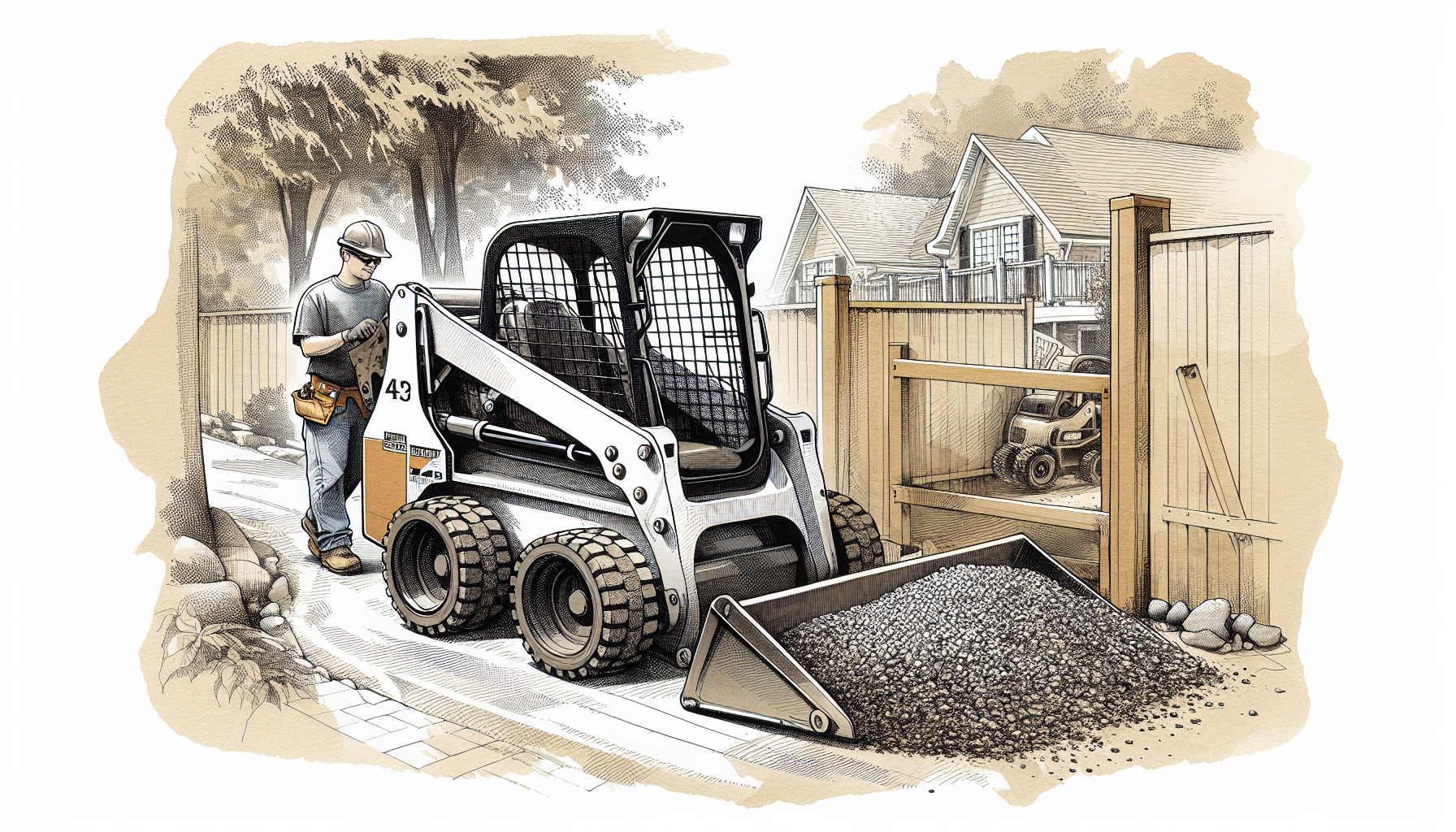
The key advantage is access. A 36-inch-wide mini skid steer rolls through standard gates and works between structures where a full-size loader can't physically fit. You can haul one on a standard equipment trailer behind a half-ton truck instead of needing a dedicated flatbed.
New vs. Used: Why Used Makes Sense
New mini skid steers run $25,000 to $45,000, with premium models pushing past $50,000. A solid used mini skid steer typically lands between $10,000 and $25,000, depending on brand, hours, and condition. That's a significant gap, especially for a first machine where you're still figuring out exactly how you'll use it.
Depreciation hits hardest in the first two years. A machine with 500 to 1,500 hours that's been maintained properly still has thousands of productive hours left, but the original owner already absorbed the biggest value drop. You get a proven machine — any manufacturing defects or early failures have already shown up and been addressed.
Used also lets you test whether a mini skid steer actually fits your operation before committing top dollar. If you discover you need more capacity or different features after six months, you can sell a used machine without taking a massive loss.
The trade-off is real, though. You won't get a factory warranty, and you're trusting the previous owner's maintenance habits. That's why the inspection matters more than the price tag.
What to Look for When Buying Used
Start with the hours. Most mini skid steers are built to deliver 3,000 to 5,000+ hours of service when maintained properly. Under 1,500 hours is ideal for a first buy. Between 1,500 and 2,500 is still solid territory if the maintenance records check out. Over 2,500, you better be getting a steep discount and know what you're walking into.
Hydraulics are everything. Cycle the boom arms up and down. Engage every auxiliary function. Listen for whining pumps, look for leaks around fittings and cylinders, and watch for jerky or sluggish movement. If the bucket drops slowly while held in position, the hydraulic system has issues. Dark or contaminated hydraulic fluid is a red flag — it suggests neglected maintenance. Inspecting the hydraulic system thoroughly before purchase can save you thousands.
Check the undercarriage. On track models, inspect the tracks for cracking, missing lugs, and excessive wear. On wheeled units, check tire condition and look for uneven wear patterns that suggest alignment or frame issues. Tracks and tires are wear items, but replacement costs ($1,500 to $3,000 for a full set of tracks) should factor into your offer price.
Engine and drivetrain. Start the machine cold if possible — that's when problems reveal themselves. Listen for knocking, excessive smoke, or rough idle. Check the oil condition and level. Look under the machine for active leaks. Pull the air filter and check if it's been maintained or run until it clogged.
Frame integrity. Look for cracks, bends, or amateur welding on the boom arms and main frame. These are signs of overloading or hard impacts. Walk away from machines with structural repairs unless you personally trust the welder.
Finally, ask for maintenance records. Sellers who kept records generally kept up with maintenance. No records means you're guessing, and that uncertainty should be reflected in the price.
Best Entry-Level Models
Several brands have proven themselves in the used mini skid steer market. Here's where first-time buyers typically find the best value.
Toro Dingo TX 427/525 — Toro essentially created this equipment category with their Dingo line. The TX 427 (narrow track) and TX 525 (wide track) are everywhere on the used market because Toro sold so many of them. They're known for intuitive controls and reliable operation. Used prices typically start around $8,000 for higher-hour units and run to $18,000 for low-hour machines.
Ditch Witch SK750/SK800 — The SK800 delivers 860 pounds of rated operating capacity with a 24.8-hp Kubota diesel, and the operator platform is one of the most comfortable in the class. Ditch Witch machines hold their value well, so used prices tend to run slightly higher. But parts availability and dealer support are excellent.
Vermeer S925TX — A strong mid-range option with a wide track base for stability and a Kubota diesel engine. Vermeer's auxiliary hydraulic flow rates are competitive, which matters if you're running powered attachments like trenchers or augers.
Boxer 600HD — Often overlooked, but these machines offer reliable performance at lower price points on the used market. Good entry point if budget is tight.
When comparing models, prioritize auxiliary hydraulic flow (GPM), rated operating capacity, and attachment compatibility with what you plan to run. A machine with 12+ GPM auxiliary flow handles most powered attachments without bogging down.
Getting Started
Your first used mini skid steer doesn't need to be perfect — it needs to be functional, reasonably priced, and free of major mechanical problems. Set a budget that includes the machine plus $1,000 to $2,000 for immediate maintenance items like fresh fluids, new filters, and any wear parts that are due.
If you're not confident inspecting equipment yourself, bring someone who is. A $200 pre-purchase inspection from a qualified mechanic is cheap insurance against a $5,000 repair bill.
Check local dealers for trade-ins and certified used inventory. Auction sites and private sales offer lower prices but less protection. For first-time buyers, a dealer unit with some history and a short-term warranty — even 30 days — gives you a safety net while you learn the machine.
If you need help narrowing down your search, check out our guide to finding used mini skid steers for sale for current market options and pricing.
Conclusion
Buying a used mini skid steer is one of the smartest equipment investments a small contractor or landscaper can make. You get serious productivity gains without the full-size price tag. Focus on hydraulic condition, hours, and maintenance history over brand loyalty or cosmetics. A well-maintained 2,000-hour machine will outperform a neglected 500-hour one every time. Do your homework, inspect thoroughly, and don't rush the purchase — the right used mini skid steer will pay for itself faster than you expect.