Used Skid Steer Attachments That Actually Hold Up
Used Skid Steer Attachments That Actually Hold Up
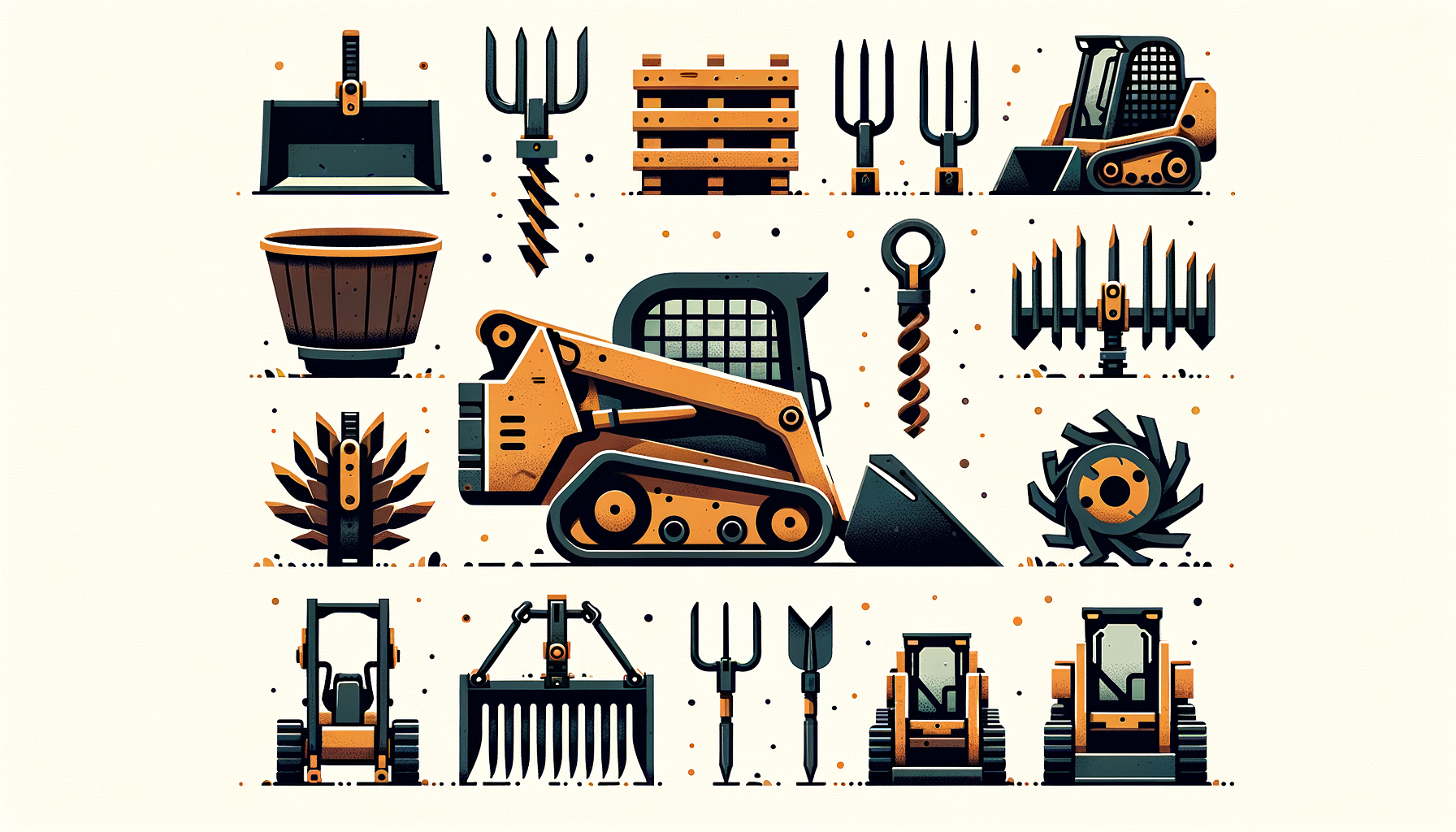
Buying used skid steer attachments is one of the smartest moves you can make to stretch your equipment budget -- but only if you pick the right ones. Half the attachments on the secondhand market are worn to the point of being scrap metal, and the other half were built so well they'll outlast the machine they're bolted to. The trick is knowing the difference. After years of running skid steers across job sites, farms, and snow-covered parking lots, I've narrowed down seven attachment categories that consistently hold their value and keep performing long after the original owner moved on. If you're looking to build out your skid steer's capabilities without dropping new-equipment money, this is where to start.
The 7 Used Skid Steer Attachments Worth Buying
Every attachment below uses the universal quick-attach (SSQA) system, so compatibility isn't usually the problem. Condition is. Here's what to look for -- and what to walk away from -- in each category.
1. Buckets
The bucket is the workhorse you'll use every single day, and that's exactly why a used one can be a great deal. Good buckets are made from T1 structural steel or AR400 wear plate on the cutting edge. That kind of steel takes a beating and barely shows it. When you're shopping used, check the cutting edge thickness -- if it's worn down to less than half its original depth, budget for a replacement edge. Look at the welds where the side plates meet the bottom plate. Cracks there mean the bucket has been overloaded repeatedly, and that's a pass.
A standard 72-inch general-purpose bucket runs $400-$800 used versus $1,200+ new. 4-in-1 buckets (also called multi-purpose buckets) hold up particularly well because the clam mechanism is built heavier than a standard bucket to handle the extra stress. If you find one with tight cylinder seals, grab it.
2. Pallet Forks
Pallet forks are about as simple as an attachment gets -- two steel tines on a frame -- and that simplicity is exactly why they last forever on the used market. There's almost nothing to wear out. The frame itself rarely fails unless it's been catastrophically overloaded, and the tines are replaceable if the tips get rounded off.
When buying used forks, check the tine thickness at the heel (where they meet the frame). That's where stress concentrates. Class II forks with a 4,000 lb rating cover most skid steer work. Inspect the locking pins that hold the tines in position on the backing plate. Sloppy pins mean the forks will drift apart under load, which is both annoying and dangerous. Used pallet forks typically run $300-$600, making them one of the cheapest ways to add serious capability to your machine.
3. Augers
Used auger drives are where the savings really add up, because a new planetary auger unit runs $2,500-$4,000 before you even buy a bit. On the used market, you can find solid units for $1,000-$2,000. The key inspection point is the planetary gearbox -- pull the dipstick (if equipped) and check for metal shavings in the oil. That's a gearbox on borrowed time.
Also spin the output shaft by hand. It should rotate smoothly without grinding or catching. A little play is normal; a lot of play means the bearings are going. Auger bits themselves are consumable -- teeth wear out, flighting gets thin -- but those are replaceable. The drive unit is where the money lives. Brands like Danuser, McMillen, and Pengo build drives that routinely go 500+ hours without major issues. Don't buy an auger drive without confirming your skid steer's hydraulic flow matches the unit's requirements. Most standard-flow machines push 15-25 GPM, which handles bits up to about 18 inches. Bigger bits need high-flow.
4. Grapples
A grapple turns your skid steer into a debris-clearing machine. Root rakes, brush grapples, and rock grapples all show up on the used market regularly, and the good ones hold up remarkably well. The teeth or tines on the bottom rake are the main wear points, and those can be rebuilt or replaced by any decent fabrication shop.
What you really want to inspect is the hydraulic cylinder that opens and closes the grapple jaw. Look for rod scoring, seal leaks, and bent rods. A leaking cylinder means the grapple won't hold a load, and cylinder rebuilds can run $300-$500 per cylinder. For used grapples, expect to pay $800-$1,500 for a decent 72-inch unit. The single-cylinder designs are simpler and have fewer failure points than dual-cylinder setups, though dual-cylinder grapples give you more clamping force. Match the grapple to your actual work. Brush grapples with wide tine spacing are useless for rocks, and rock grapples are overkill for clearing brush.
5. Brush Cutters
Used brush cutters are a gamble if you don't know what you're looking at, but a win if you do. These attachments take tremendous abuse -- spinning blades slamming into saplings, stumps, and hidden rocks -- so the deck and blade carrier take a pounding. Check the deck for cracks, especially around the blade spindle mounts. Flip it over and look at the cutting blades: are they the original blades or have they been replaced? Replaced blades are actually a good sign -- it means the previous owner maintained it.
The hydraulic motor is the expensive part. Most brush cutters need high-flow hydraulics (25+ GPM) to operate properly. A motor rebuild runs $800-$1,200, so listen for whining or grinding when the motor spins. Used brush cutters in decent shape go for $2,000-$3,500, compared to $4,500-$7,000 new. That spread makes them one of the best used attachment values out there, provided the hydraulic motor is solid and the deck isn't cracked through.
6. Trenchers
Trenchers are specialty tools, so they don't see the same daily abuse as buckets or forks. That works in your favor on the used market -- a lot of used trenchers have surprisingly low hours because they only come out for specific jobs. The chain and teeth are consumable items, so don't be scared off by worn teeth. A new chain and tooth set runs $200-$500 depending on the trencher size, and that's normal maintenance.
Focus your inspection on the boom structure and the drive sprocket. A bent boom means the trencher hit something it shouldn't have, and that stress may have traveled into the gearbox. Check the drive sprocket teeth for rounding or chipping. The gearbox should spin freely without excessive noise. Used trenchers in the 36-48 inch depth range typically go for $1,500-$3,000. They're built tough because they have to be -- digging through compacted soil and rock puts enormous stress on every component.
7. Snow Pushers
Snow pushers are seasonal tools, which means they spend most of the year sitting in a yard. That's actually an advantage when buying used. Many used snow pushers have low actual operating hours despite being several years old. The rubber or poly cutting edge is the primary wear item, and a replacement edge runs $150-$300 depending on the pusher width.
Look at the containment side panels. Bent or torn side panels mean the operator was pushing into curbs and obstacles regularly, which also stresses the frame. The trip mechanism (if equipped) protects the pusher from catching on raised manholes and curbs -- make sure it trips and resets smoothly. A used 8-foot snow pusher runs $800-$1,500. SkidPro and other manufacturers build these things like tanks. If the frame is straight and the cutting edge isn't worn to nothing, a used snow pusher is practically as good as new.
Before You Buy: Quick Compatibility Check
Before you pull the trigger on any used attachment, confirm three things: your machine has the standard universal quick-attach plate (most post-2000 machines do), your hydraulic flow matches the attachment's requirements, and your skid steer's rated operating capacity can handle the attachment weight plus the material you'll be moving. Ignoring any of these turns a good deal into an expensive paperweight.
If you're still putting together your skid steer setup, check out our guide to buying a used skid steer to make sure the machine itself is solid before you start loading it up with attachments.
Bottom Line
Used skid steer attachments are one of the best ways to multiply what your machine can do without multiplying your costs. Buckets, pallet forks, and snow pushers carry the least risk on the used market because they're mechanically simple. Augers, grapples, and brush cutters require more careful inspection but offer the biggest savings over new. Trenchers fall somewhere in between. Know what to inspect, match the attachment to your machine's capabilities, and you'll build out a versatile fleet for a fraction of retail.